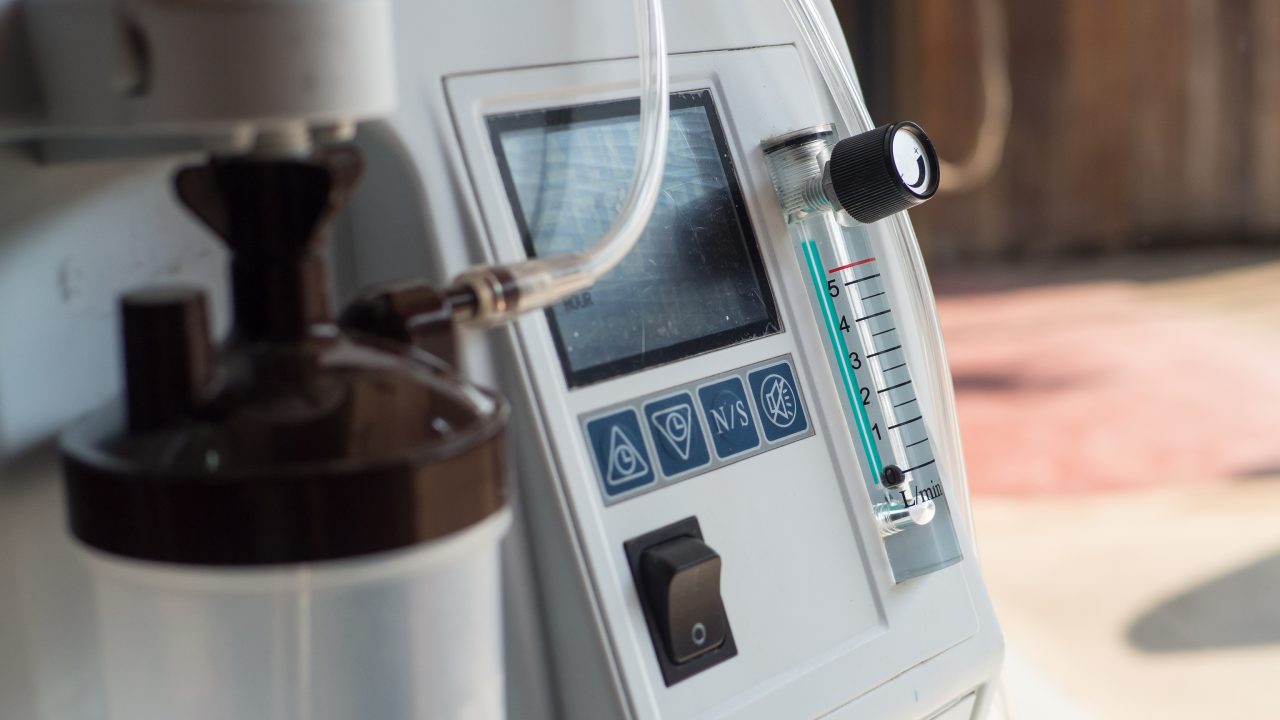
Oxygen concentrators draw in ambient air and produce an oxygen-enriched gas stream for supplemental oxygen therapy. An O₂ sensor measures the oxygen concentration at the device output, providing real-time information about the purity of the delivered gas.
This oxygen purity sensor is different from an SpO₂ sensor. An oxygen concentrator sensor measures oxygen within the gas stream, while an SpO₂ sensor measures oxygen saturation in a patient’s blood.
Understanding how oxygen sensors work in oxygen concentrators helps device manufacturers select and integrate the right sensing technology for accurate, stable and reliable oxygen monitoring.
Contents
- What Does an Oxygen Sensor Measure?
- Why Oxygen Sensors Matter
- How Zirconia Oxygen Sensors Work
- Key Benefits of Sensore O₂ Sensors
- Selecting an Oxygen Sensor for an Oxygen Concentrator
- Reliable Oxygen Purity Monitoring with Sensore
- Frequently Asked Questions
What Does an Oxygen Sensor Measure?
An oxygen sensor measures the concentration of O₂ within the gas produced by an oxygen concentrator. The measurement is sent to the device’s electronics, allowing the system to continuously monitor oxygen purity.
Depending on the concentrator design, this information may be used to display the oxygen concentration, identify changes in system performance, activate an alert or support the device’s control functions.
The oxygen sensor does not directly measure the patient’s condition or determine how much oxygen the patient requires. Flow settings and therapeutic requirements are managed separately according to the design of the device and the patient’s prescribed treatment.
Why Oxygen Sensors Matter
An oxygen concentrator typically draws in ambient air, removes a proportion of the nitrogen and produces a gas stream with a higher oxygen concentration. Pressure swing adsorption systems commonly use molecular sieve material to separate nitrogen from the incoming air.
The resulting oxygen-enriched gas must be monitored before it is delivered by the device. An oxygen purity sensor positioned within the appropriate part of the gas path provides continuous feedback about the oxygen concentration.
Changes in the measured value may indicate a variation in concentrator performance. Depending on the device design, potential causes could include changes in the separation process, leakage, filter restrictions or other system conditions.
Reliable oxygen monitoring therefore supports:
- Continuous measurement of oxygen purity
- Early identification of changes in concentrator output
- Device alarms and diagnostic functions
- Consistent operation over the product lifecycle
- Safe and reliable oxygen delivery
How Zirconia Oxygen Sensors Work
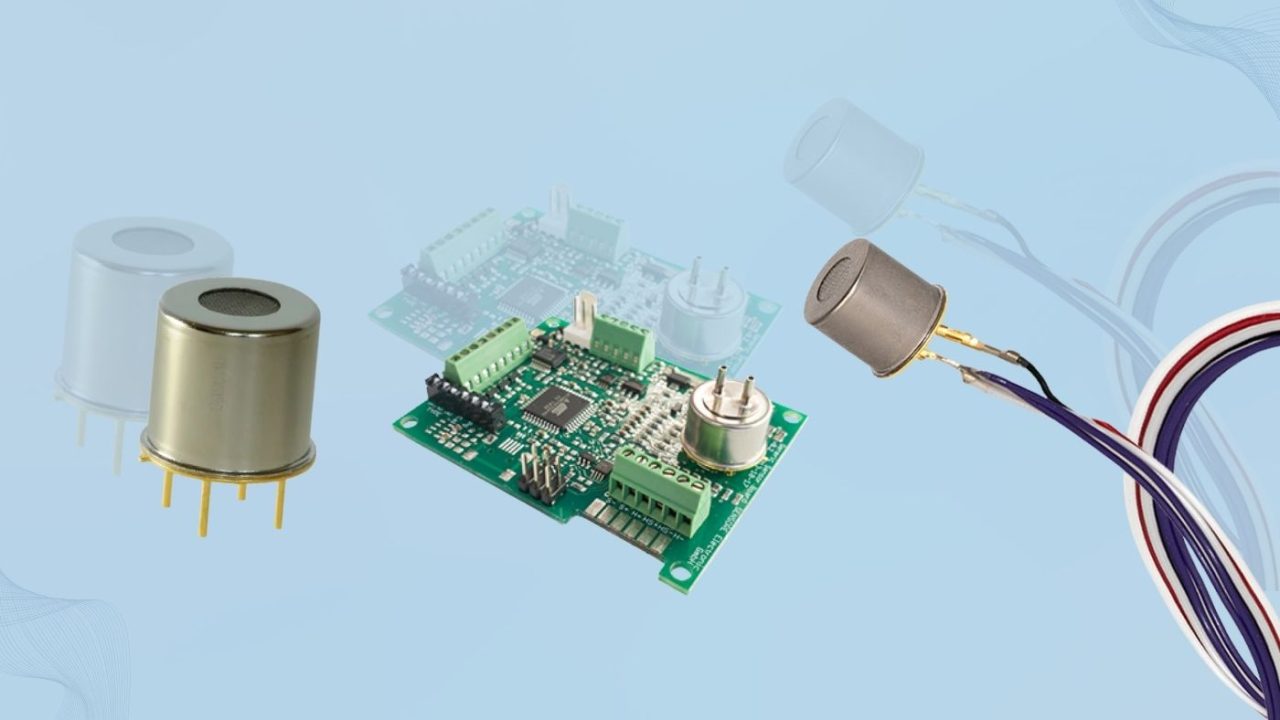
Sensore specialises in zirconia oxygen sensors that use a heated zirconium dioxide, or ZrO₂, cell and a limiting-current measurement principle.
Zirconium dioxide becomes conductive to oxygen ions when the sensing element reaches a sufficiently high operating temperature. A bias voltage applied across the cell transports oxygen ions through the zirconia material.
A diffusion barrier controls the rate at which oxygen from the surrounding gas enters the measurement chamber. When the cell transports oxygen faster than it can enter through this barrier, a limiting current is produced. This sensor current is related to the oxygen concentration in the gas.
The connected electronics interpret the current signal and convert it into an oxygen concentration value that can be used by the concentrator’s monitoring and control system.
This principle enables zirconia sensors to provide fast response and long-term measurement stability without relying on a consumable electrochemical reaction. The high temperature required by the zirconia element is managed within the sensor design, while the selected housing and electronics must be integrated according to the relevant product specifications.
Under specified operating conditions, the signal represents the volumetric oxygen concentration. Pressure, background gas composition and gas diffusion can influence sensor behaviour outside these conditions. At lower pressures, partial-pressure effects become more significant, so the full operating environment should be considered when selecting sensors and validating devices.
For a more detailed technical explanation, read the Sensore O₂ Measurement Principle application note.
Key Benefits of Sensore O₂ Sensors
| Feature | Description |
|---|---|
| Real-Time Monitoring | Provides immediate feedback on oxygen concentration at the device output. |
| System Feedback | Supports device monitoring, control and diagnostic functions when oxygen output changes. |
| Reliable Oxygen Delivery | Supports device alerts when oxygen purity falls outside the expected operating range. |
These characteristics make zirconia oxygen sensors suitable for stationary, home care and certain portable oxygen concentrators, depending on the device’s power, thermal and mechanical requirements and overall performance.
Selecting an Oxygen Sensor for an Oxygen Concentrator
Choosing the correct sensor involves more than confirming that it can detect oxygen. The sensor must match the measurement and integration requirements of the complete device.
Important selection criteria include:
- Measurement range: For oxygen concentrator applications, a range covering oxygen concentrations up to 96% is typically appropriate, matching the oxygen purity commonly produced by PSA oxygen generators.
- Accuracy and repeatability: Stable and repeatable measurements are necessary for reliable monitoring and device control.
- Response time: The sensor must detect relevant output changes within the time required by the system.
- Long-term stability: Consistent performance can help reduce recalibration and service requirements.
- Power and warm-up requirements: Zirconia sensors contain a heated element, so the electronics and power architecture must be considered.
- Pressure, flow and humidity: The gas path and environmental conditions can influence measurement performance.
- Mechanical integration: Housing, dimensions, connections and sensor placement must suit the internal design.
- Signal conditioning: The OEM must determine whether the raw sensor signal or an additional control board is required.
Sensore provides zirconia oxygen sensors in different measurement ranges and mechanical formats. The appropriate model should be selected in consultation with the technical team and validated within the final device.
Download Sensore oxygen sensor datasheets.
Reliable Oxygen Purity Monitoring with Sensore
Oxygen sensors provide essential information about the concentration and purity of the gas produced by an oxygen concentrator. By using a heated zirconia cell and a limiting-current measurement principle, Sensore O₂ sensors provide fast, stable and reliable oxygen measurement for integration into medical device systems.
Selecting the appropriate measurement range, housing and control electronics helps OEMs develop oxygen concentrators that monitor output consistently across their intended operating conditions.
Need help selecting an oxygen sensor?
Contact the Sensore team to discuss your oxygen concentrator application.
Looking for technical specifications?
View our oxygen sensor datasheets →
Frequently Asked Questions
What type of oxygen sensor is used in an oxygen concentrator?
Different oxygen sensing technologies may be used depending on the concentrator design. Sensore specialises in zirconia oxygen sensors that use a heated ZrO₂ cell and a limiting-current measurement principle to measure oxygen concentration.
What is the difference between an oxygen sensor and an SpO₂ sensor?
An oxygen concentrator sensor measures oxygen concentration in a gas stream. An SpO₂ sensor, normally used in a pulse oximeter, estimates oxygen saturation in a patient’s blood. They perform different measurements and are not interchangeable.
Does the oxygen sensor adjust the oxygen delivered to the patient?
The sensor provides oxygen concentration data to the device electronics. How the concentrator responds to that information depends on its control system. The sensor itself does not determine the patient’s prescribed flow or therapeutic requirements.
Can zirconia sensors be used in portable oxygen concentrators?
Yes, but suitability depends on the power budget, available space, thermal design and required measurement performance of the device. Because zirconia sensors use a heated sensing element, power consumption can be an important consideration in portable systems.
Where continuous measurement is not required, intermittent operation can help reduce overall power consumption. For example, the sensor and heater can be activated only for several minutes at defined intervals, such as twice per hour, rather than operating continuously.
For applications requiring frequent heater cycles, the SO-E2-960 is optimised for this type of intermittent operation. The final measurement strategy and sensor configuration should be validated within the specific portable device.
Why is long-term stability important?
Long-term stability helps the concentrator maintain consistent oxygen purity monitoring throughout its operating life. It can also support lower maintenance requirements, depending on the sensor, device design and operating conditions.